
Internet Memes Are Destroying Family Dreams: How Our Online Habits Are Hurting Real Relationships

In a world where humor often travels faster than empathy, memes have become one of the most common ways people express frustration, identity, and belonging. They can be clever, relatable, and sometimes downright therapeutic.

But there’s a growing shadow side many families and friend groups are facing: memes that target someone’s identity, culture, race, political affiliation, gender, or personal experience can land like personal attacks, even when the poster never intended them that way.

And when communication gets replaced by quips, jabs, or “just kidding” humor on social media, the relationships behind the screen begin to erode.

As mental health providers, we’re seeing more conflict, more estrangement, and more hurt stemming not from in-person conversations—but from the posts people share.

Let’s talk about why this is happening, what the brain has to do with it, and how we can create healthier online habits without losing our sense of humor.

Memes Feel Harmless—But They Often Hit Personal Nerves

A meme that generalizes a group (“People like X are all Y”) may feel like a joke to the person posting it. But to someone who identifies with the group being referenced, the message can feel like:

  • A judgment
  • A dismissal of their lived experience
  • A stereotype applied directly to them
  • Evidence that a loved one sees them through a biased or simplified lens

When someone’s identity is the punchline, it doesn’t matter that the meme wasn’t “about them personally”—it is personal.

Humor is powerful, but it can also be a socially acceptable container for hostility, fear, or superiority. Memes can spread those feelings rapidly because they are short, emotionally charged, and highly shareable.

Why We Post Without Thinking: The Brain Science

Scrolling, sharing, and refreshing give the brain tiny hits of dopamine—the reward chemical that reinforces behaviors.

When we post something and get a response (likes, comments, or even debate), the brain interprets that as:

✔ Connection

✔ Validation

✔ Belonging

Even if the connection is superficial or conflict-based, the dopamine loop keeps us coming back. Over time, this can resemble an addictive pattern:

  • Quick emotional payoff
  • Minimal effort
  • Increasing need for stimulation
  • Decreased tolerance for slower, richer, face-to-face connection

The more we engage in high-speed, emotionally charged posting, the harder it becomes to pause, reflect, and consider the relational impact.

Trading Real Relationships for Online Reactions

Memes are fast. Relationships are slow. But the fast path can start replacing the meaningful one.

We see this pattern often:

  1. Someone posts a meme that aligns with their belief or frustration.
  2. A loved one feels targeted or stereotyped.
  3. Instead of a conversation, both parties retreat to their corners—or to the internet—seeking validation.
  4. Relationship cracks form and widen.

Over time, a family can lose connection not because of major betrayal, but because of a steady stream of “small jabs” shared publicly.

We’re trading:

  • Understanding for assumptions
  • Dialogue for defensiveness
  • Connection for quick hits of digital approval

And the long-term cost is often more damaging than people realize.

Before You Post: A Pause Practice

You don’t need to stop using humor, sharing your beliefs, or enjoying the internet. But we can all benefit from a mindful pause before hitting “share.”

Here are a few simple questions that can preserve relationships:

1. “Who might see themselves in this meme—and how will it land for them?”

If it generalizes a group of people, especially one someone you love belongs to, consider the relational impact.

2. “Am I posting this to connect, or am I posting this to vent?”

Venting online often feels empowering in the moment but increases long-term conflict.

3. “Will this deepen or damage connection with the people I care about?”

Humor should bring people together—not push them apart.

4. “Is there a conversation I should be having with a real person instead of the internet?”

Memes can become a substitute for communication. Choose conversation over confrontation-by-proxy.

5. “Does this reflect the values I want to model?”

Especially for parents, caregivers, and leaders.

Building Healthier Digital Habits

While each person’s digital wellness plan is unique, here are some universal approaches:

  • Slow down the scroll. Even a 1–2 second pause changes the brain’s impulsive response pattern.
  • Set limits on high-conflict content. Curate feeds with intention, not habit.
  • Share memes that uplift rather than divide. Humor can heal when used thoughtfully.
  • Strengthen offline connections. Compliments, check-ins, and real conversations support resilience against digital conflict.
  • Name what’s happening. Families can talk openly about how memes impact them—this normalizes boundaries.

Digital behavior is still behavior. And behavior can be changed.

Final Thoughts: Humor Shouldn’t Hurt the People You Love

Memes and online content can be a source of joy, connection, and community. But when we use them to express anger, division, or superiority, relationships become collateral damage.

What we share online matters—because people matter.

Slowing down, practicing mindfulness before posting, and understanding the brain science behind our digital habits can help us protect the relationships we care about most.

If your family or relationships are struggling with online conflict, a mental health provider can help guide conversations, explore patterns, and rebuild trust.
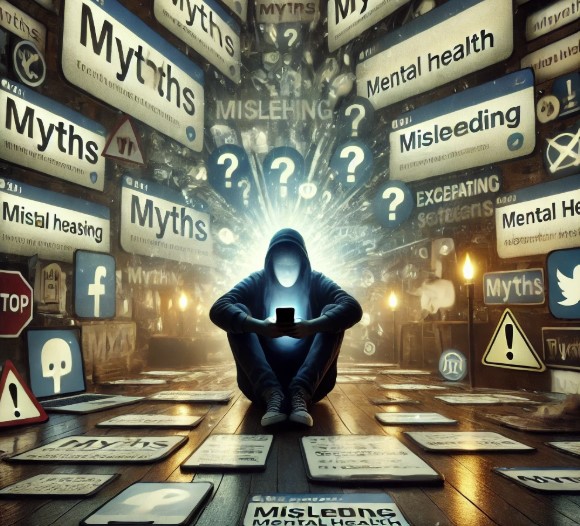
The Prevalence of Misinformation on Social Media and TikTok About Mental Health

In recent years, social media has become a primary source of information and community support for many people seeking to understand and address their mental health. TikTok, in particular, has gained popularity as a platform where users can share personal experiences, advice, and educational content on mental health topics. However, this surge in content also brings a troubling rise in misinformation.

Misinformation can significantly distort public understanding of mental health issues, leading to negative consequences for individuals who rely on this content to make decisions about their well-being. The rapid spread of misinformation on social media can perpetuate harmful myths, encourage self-diagnosis without professional guidance, and stigmatize certain mental health conditions.

For instance, certain trends on TikTok promote the idea that certain behaviors or feelings are definitive signs of mental health disorders, without acknowledging that diagnosis requires a comprehensive assessment by a qualified professional. This can lead to both over-diagnosis, where individuals mistakenly believe they have a particular disorder, and under-diagnosis, where legitimate symptoms are overlooked because they don’t match what’s popularized online.

  1. Over-Simplification of Complex Disorders: TikTok is full of bite-sized videos that attempt to explain mental health concepts. Unfortunately, mental health is complex and cannot be adequately covered in a short clip. These simplified explanations often lead to misunderstanding, such as assuming that ADHD is only about being hyperactive or that depression is simply about feeling sad.
  2. Self-Diagnosis and Trend-Based Diagnoses: Hashtags like #MentalHealthTikTok have contributed to an increase in self-diagnosis among viewers. People often use these tags to discuss their symptoms, which may lead others to identify with them and assume they have the same disorder. This trend-based diagnosis is particularly problematic because it lacks professional evaluation and may delay proper treatment.
  3. Misleading or Harmful Advice: While some creators genuinely want to help, others may share unverified methods for coping or “curing” mental health issues. For example, suggesting herbal remedies or lifestyle changes as an alternative to professional treatment can be dangerous. This type of content often disregards the necessity of clinical intervention for severe mental health conditions.
  4. Stigmatization and Romanticization: In some cases, TikTok videos can unintentionally romanticize certain mental health conditions. Trends that depict eating disorders or self-harm can make these issues appear glamorous or desirable, particularly to impressionable audiences. This romanticization not only diminishes the gravity of these conditions but also encourages unhealthy behaviors.

The TikTok algorithm prioritizes content that garners high engagement, such as likes, shares, and comments, which can lead to the rapid spread of both accurate and inaccurate information. Additionally, content creators may prioritize engagement over accuracy, especially if they are not professionally trained in mental health. This emphasis on popularity over credibility fosters an environment where misinformation can thrive.

Furthermore, mental health topics are inherently personal and subjective, and everyone has unique experiences. When individuals share their stories, they may unintentionally misinform others about what it means to live with a mental health condition.

To combat the spread of misinformation on social media, several steps can be taken by both content creators and viewers:

  1. Encourage Professional Sources: Content creators should refer to reputable sources like the National Institute of Mental Health (NIMH), American Psychological Association (APA), or certified mental health professionals. This can help ensure that viewers are getting accurate, research-based information.
  2. Incorporate Disclaimers: Creators should include disclaimers that their content is not a substitute for professional advice. This reminds viewers to seek appropriate resources for diagnosis and treatment.
  3. Promote Media Literacy: Social media platforms can implement media literacy programs that educate users on how to critically assess the content they consume. This could include recognizing credible sources, identifying red flags for misinformation, and understanding the importance of professional evaluation for mental health concerns.
  4. Fact-Checking and Moderation: TikTok and other social media platforms can strengthen their moderation policies to flag or remove misleading content about mental health. Collaboration with mental health professionals to fact-check trending information could also be beneficial.
  5. Supporting Accurate Content: As users, we can help combat misinformation by promoting and engaging with content that provides accurate, evidence-based information. By consciously supporting reliable sources, we can help foster a more accurate and supportive mental health conversation on social media.

While social media, including TikTok, offers valuable opportunities for mental health awareness and community, it also carries the risk of spreading misinformation. By staying informed and approaching content critically, users can protect themselves from misinformation and advocate for a more accurate and supportive online space. Mental health is a serious topic that requires sensitivity, professionalism, and a commitment to truth—elements that should be at the forefront of any mental health conversation on social media.