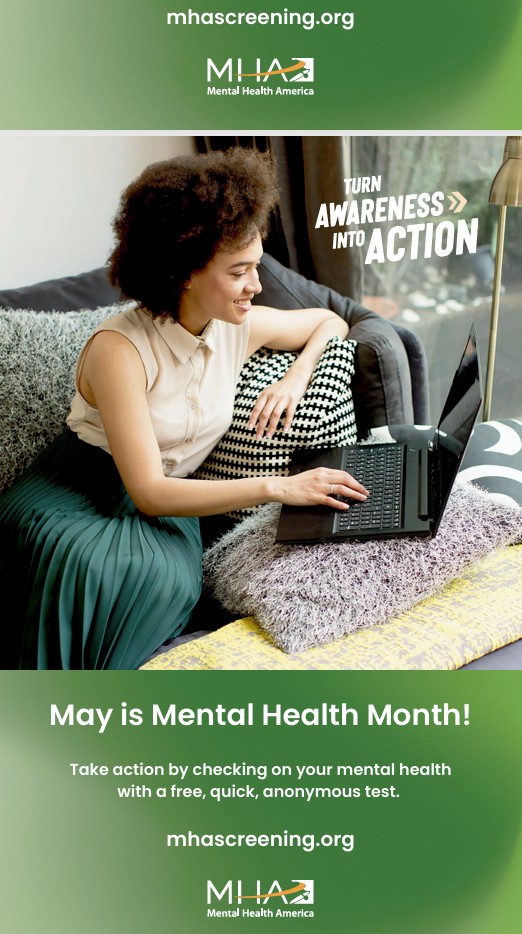
May is Mental Health Awareness Month, and this year’s theme—“Turn Awareness Into Action”—challenges each of us to go beyond conversations and take real steps toward a mentally healthier world.
At A New Tomorrow Therapy, we know that awareness is powerful, but action is transformative. We’ve made great progress in breaking down stigma and opening up the dialogue around mental health. But knowing about mental health challenges isn’t enough—now is the time to act with purpose, compassion, and urgency.
Why Action Matters Now
One in five adults in the U.S. experiences a mental health condition each year. And yet, millions still go without the care and support they need. Awareness alone doesn’t change that—but action does.
Turning awareness into action means:
Checking in on friends who’ve gone quiet.
Advocating for mental health policies in schools and workplaces.
Supporting services that increase access to care.
Prioritizing your own mental well-being without apology.
It means we stop waiting for change and start becoming it.
What We’re Doing This Month
What You Can Do
You don’t have to be a therapist or activist to make a difference. Here are 5 small but powerful ways to take action this month:
Speak up. Share your story or talk openly about mental health with others.
Show up. Attend an event, join a support group, or volunteer your time.
Support services. Donate to organizations doing the work, or help someone find care.
Learn more. Take time to educate yourself about mental health conditions and resources.
Take care. Treat your own mental health with the same seriousness as physical health.
This Is Our Moment
We have the knowledge. We have the tools. And now, we have the responsibility to turn that awareness into action. Whether you’re lighting the path for others or seeking your own healing journey, your steps matter.
Mental health is not just a personal issue—it’s a community one. And it starts with each of us choosing to act.
With hope and determination, A New Tomorrow Therapy
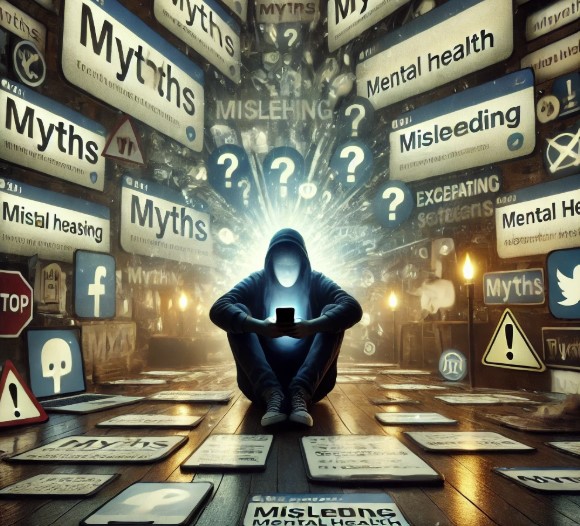
In recent years, social media has become a primary source of information and community support for many people seeking to understand and address their mental health. TikTok, in particular, has gained popularity as a platform where users can share personal experiences, advice, and educational content on mental health topics. However, this surge in content also brings a troubling rise in misinformation.
Misinformation can significantly distort public understanding of mental health issues, leading to negative consequences for individuals who rely on this content to make decisions about their well-being. The rapid spread of misinformation on social media can perpetuate harmful myths, encourage self-diagnosis without professional guidance, and stigmatize certain mental health conditions.
For instance, certain trends on TikTok promote the idea that certain behaviors or feelings are definitive signs of mental health disorders, without acknowledging that diagnosis requires a comprehensive assessment by a qualified professional. This can lead to both over-diagnosis, where individuals mistakenly believe they have a particular disorder, and under-diagnosis, where legitimate symptoms are overlooked because they don’t match what’s popularized online.
Over-Simplification of Complex Disorders: TikTok is full of bite-sized videos that attempt to explain mental health concepts. Unfortunately, mental health is complex and cannot be adequately covered in a short clip. These simplified explanations often lead to misunderstanding, such as assuming that ADHD is only about being hyperactive or that depression is simply about feeling sad.
Self-Diagnosis and Trend-Based Diagnoses: Hashtags like #MentalHealthTikTok have contributed to an increase in self-diagnosis among viewers. People often use these tags to discuss their symptoms, which may lead others to identify with them and assume they have the same disorder. This trend-based diagnosis is particularly problematic because it lacks professional evaluation and may delay proper treatment.
Misleading or Harmful Advice: While some creators genuinely want to help, others may share unverified methods for coping or “curing” mental health issues. For example, suggesting herbal remedies or lifestyle changes as an alternative to professional treatment can be dangerous. This type of content often disregards the necessity of clinical intervention for severe mental health conditions.
Stigmatization and Romanticization: In some cases, TikTok videos can unintentionally romanticize certain mental health conditions. Trends that depict eating disorders or self-harm can make these issues appear glamorous or desirable, particularly to impressionable audiences. This romanticization not only diminishes the gravity of these conditions but also encourages unhealthy behaviors.
The TikTok algorithm prioritizes content that garners high engagement, such as likes, shares, and comments, which can lead to the rapid spread of both accurate and inaccurate information. Additionally, content creators may prioritize engagement over accuracy, especially if they are not professionally trained in mental health. This emphasis on popularity over credibility fosters an environment where misinformation can thrive.
Furthermore, mental health topics are inherently personal and subjective, and everyone has unique experiences. When individuals share their stories, they may unintentionally misinform others about what it means to live with a mental health condition.
To combat the spread of misinformation on social media, several steps can be taken by both content creators and viewers:
Encourage Professional Sources: Content creators should refer to reputable sources like the National Institute of Mental Health (NIMH), American Psychological Association (APA), or certified mental health professionals. This can help ensure that viewers are getting accurate, research-based information.
Incorporate Disclaimers: Creators should include disclaimers that their content is not a substitute for professional advice. This reminds viewers to seek appropriate resources for diagnosis and treatment.
Promote Media Literacy: Social media platforms can implement media literacy programs that educate users on how to critically assess the content they consume. This could include recognizing credible sources, identifying red flags for misinformation, and understanding the importance of professional evaluation for mental health concerns.
Fact-Checking and Moderation: TikTok and other social media platforms can strengthen their moderation policies to flag or remove misleading content about mental health. Collaboration with mental health professionals to fact-check trending information could also be beneficial.
Supporting Accurate Content: As users, we can help combat misinformation by promoting and engaging with content that provides accurate, evidence-based information. By consciously supporting reliable sources, we can help foster a more accurate and supportive mental health conversation on social media.
While social media, including TikTok, offers valuable opportunities for mental health awareness and community, it also carries the risk of spreading misinformation. By staying informed and approaching content critically, users can protect themselves from misinformation and advocate for a more accurate and supportive online space. Mental health is a serious topic that requires sensitivity, professionalism, and a commitment to truth—elements that should be at the forefront of any mental health conversation on social media.
As a child on the playground, I always loved playing on the monkey bars. The feeling of swinging from one rung to the next with ease and agility was exhilarating. Recently, while talking with a client, I realized that life is like swinging across monkey bars – each rung representing a different milestone or goal we are striving for. And just as in the playground, there are moments when we successfully swing from one rung to the next without any troubles, feeling confident and capable. But there are also times when we slip, our grasp loosens, and we find ourselves hanging precariously in mid-air.
We start off with both hands gripping tightly onto the first bar, unsure of how to reach the next one that seems so far away. We may kick our legs or swing back and forth to gather enough momentum to propel us forward. If we’re lucky, there may be an older child on the playground who can show us how it’s done, and our parents are there to catch us if we fall, providing us with a sense of safety and support. They stand by us, encouraging our successes and cheering us on.
The scariest part is counterintuitive – to move forward, we must let go and trust ourselves to grab onto the next rung. One hand reaching back for stability while the other reaches forward towards progress. It can feel like we’re stuck in one spot, swinging back and forth until we finally let go of the past and reach for what’s ahead. Sometimes it takes a few tries before we finally get a firm grip on the next rung.
It’s true that in order to move forward in life, we must let go of the things holding us back – negative beliefs, unhelpful thoughts, past hurts and wounds. But often, the fear of letting go is paralyzing. Perhaps you didn’t have someone there to help guide you through this journey across the monkey bars. Maybe you felt alone on the playground, struggling to find your way.
But here’s the thing – we are all born with the innate ability to successfully make it across that horizontal ladder. The path may look different for each of us, some may seem more graceful while others struggle and fall often before reaching their goal. But we must remember that we are not alone. Along the way, we will encounter helpers – friends, partners, therapists, coaches, and others who can support us, teach us new techniques, and pick us up when we fall. None of us can make it across alone.
So don’t be afraid to let go in order to move forward. Release those bars behind you, they served their purpose for a time but now they’re holding you back from reaching your end goal. Seek out help and guidance along the way and trust in yourself to grab onto the next bar.
You can do it – let go and swing towards progress with confidence and determination.
Mental health: it’s a discussion that our modern world is slowly beginning to embrace. Although there are many factors that can impact a person’s emotional balance, the interplay between mental health and autoimmune disease is a topic that should not be dismissed.
Mental health challenges are a common experience among people with autoimmune disease and other chronic illnesses. In 2013, a group of Danish researchers concluded that participants of their study were 45% more likely to develop anxiety or depression if they had an autoimmune disease.
THE EMOTIONAL TOLL
It is a common belief among patients that mental health is not given enough attention when treating autoimmune diseases. Coping with the emotional and psychological aspects of illness can be a solitary experience, making one feel isolated. People with chronic illnesses often struggle with unprocessed emotions such as worry, grief, fear, or anger. Furthermore, they may also face feelings of shame or disconnection due to their condition.
Constant anxiety and dread over changes in health, exacerbations, or deteriorating conditions.
In addition to physical symptoms, autoimmune diseases can also impact mental health and increase the risk of developing mood disorders such as anxiety and depression.
Prolonged inflammation and persistent physical discomfort can have detrimental effects. Those who suffer from chronic pain are four times as likely to also experience symptoms of depression or anxiety compared to those without pain.
Autoimmune diseases can bring about chemical and hormonal changes in the body. Spending excessive time researching one’s own illness can lead to cognitive exhaustion.
Exhausted by countless unproductive doctor appointments. As someone with an invisible illness, receiving normal test results can be disheartening. It often feels like I have to constantly struggle to convince my doctors of my symptoms and experiences.
What you can do:
Find someone who will listen and understand your experiences. This could be a close friend, family member, doctor, or therapist. If possible and desired, it may be beneficial to seek out a therapist trained in helping those with chronic illnesses.
Join a support group. These groups can provide a safe and welcoming environment to share experiences, create connections, and receive support from others who understand your journey. Not sure where to start? Reach out to organizations that specialize in your condition. Additionally, you could become a part of The Global Autoimmune Institute’s Autoimmune Aware Support Group community, which holds monthly meetings open to all through virtual sessions.
Don’t try to do it all at once.
In order to avoid mental exhaustion, it is important to establish limits. When researching your condition, set a designated amount of time that you will not go over. You can also ask for assistance from friends and family by assigning them certain topics to research for you.
It’s important to remember that facing mental health challenges is not something to be ashamed of. In fact, it takes a lot of bravery and self-care to ask for support. It’s also important to recognize that the journey towards acceptance and healing is not a straight line. Be gentle with yourself and know that your difficult days do not define you.
Focus a few moments each day to gratitude and mindfulness. Take a few minutes out of every day to pause and focus on your breathing. Shut your eyes, tune in to your body, and acknowledge any sensations or emotions that arise during these moments. You may want to keep a diary to record specific details or reflections about your day, or simply list things you are thankful for.
SOCIAL IMPACT OF AUTOIMMUNE DISEASE
Developing an autoimmune disease or other chronic condition can bring significant changes to one’s life. The challenges of managing fluctuating symptoms, varying energy levels, and overall needs may lead to feelings of being a burden to those around them. Furthermore, social opportunities may become limited due to these health changes, which can be a challenging adjustment. Other challenges can include:
Being isolated because of limited physical abilities, low levels of energy, or frequent hospital stays.
Avoiding social interactions to prevent judgment or having to explain one’s illness. Feeling anxious about discussing the illness and expressing needs for accessibility or dietary restrictions.
Withdrawing from others due to exhaustion from hearing hurtful comments or unwanted advice about the illness.
What you can do:
Do your best to avoid isolating yourself. Make a list of activities that make you feel comfortable and are achievable for you. Ask your friends, family, or people in your household to help come up with ideas. On days when your illness is particularly challenging, remember that you can still connect with others without needing to be physically present. Consider using a video calling app to stay in touch with loved ones. Simple activities like watching a movie together on Facetime or Skype can provide immense comfort.
If you struggle with feeling like you are a burden, have an open conversation with your friends and loved ones about it. Talking honestly about your illness can be a huge relief and lead to stronger communication and trust between you.
When facing social situations, think ahead about what information you feel comfortable sharing about your illness, dietary restrictions, accessibility needs, etc. You may even want to write a brief script explaining your condition so that you can feel confident and direct when discussing it.
It’s crucial to keep in mind that managing a chronic illness and maintaining mental well-being can involve various approaches. If one method is not effective for you, it does not mean that you have failed. There is no set guide on how to navigate life with a chronic illness, but there is value in small victories. Utilizing your support network, communicating openly with your healthcare team, and practicing self-care are all indicators of your strength and resilience in moving forward.


 A New Tomorrow Therapy