
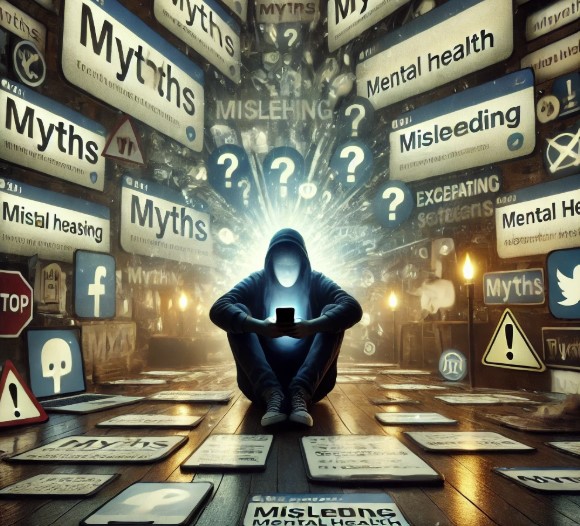
In recent years, social media has become a primary source of information and community support for many people seeking to understand and address their mental health. TikTok, in particular, has gained popularity as a platform where users can share personal experiences, advice, and educational content on mental health topics. However, this surge in content also brings a troubling rise in misinformation.
Misinformation can significantly distort public understanding of mental health issues, leading to negative consequences for individuals who rely on this content to make decisions about their well-being. The rapid spread of misinformation on social media can perpetuate harmful myths, encourage self-diagnosis without professional guidance, and stigmatize certain mental health conditions.
For instance, certain trends on TikTok promote the idea that certain behaviors or feelings are definitive signs of mental health disorders, without acknowledging that diagnosis requires a comprehensive assessment by a qualified professional. This can lead to both over-diagnosis, where individuals mistakenly believe they have a particular disorder, and under-diagnosis, where legitimate symptoms are overlooked because they don’t match what’s popularized online.
- Over-Simplification of Complex Disorders: TikTok is full of bite-sized videos that attempt to explain mental health concepts. Unfortunately, mental health is complex and cannot be adequately covered in a short clip. These simplified explanations often lead to misunderstanding, such as assuming that ADHD is only about being hyperactive or that depression is simply about feeling sad.
- Self-Diagnosis and Trend-Based Diagnoses: Hashtags like #MentalHealthTikTok have contributed to an increase in self-diagnosis among viewers. People often use these tags to discuss their symptoms, which may lead others to identify with them and assume they have the same disorder. This trend-based diagnosis is particularly problematic because it lacks professional evaluation and may delay proper treatment.
- Misleading or Harmful Advice: While some creators genuinely want to help, others may share unverified methods for coping or “curing” mental health issues. For example, suggesting herbal remedies or lifestyle changes as an alternative to professional treatment can be dangerous. This type of content often disregards the necessity of clinical intervention for severe mental health conditions.
- Stigmatization and Romanticization: In some cases, TikTok videos can unintentionally romanticize certain mental health conditions. Trends that depict eating disorders or self-harm can make these issues appear glamorous or desirable, particularly to impressionable audiences. This romanticization not only diminishes the gravity of these conditions but also encourages unhealthy behaviors.
The TikTok algorithm prioritizes content that garners high engagement, such as likes, shares, and comments, which can lead to the rapid spread of both accurate and inaccurate information. Additionally, content creators may prioritize engagement over accuracy, especially if they are not professionally trained in mental health. This emphasis on popularity over credibility fosters an environment where misinformation can thrive.
Furthermore, mental health topics are inherently personal and subjective, and everyone has unique experiences. When individuals share their stories, they may unintentionally misinform others about what it means to live with a mental health condition.
To combat the spread of misinformation on social media, several steps can be taken by both content creators and viewers:
- Encourage Professional Sources: Content creators should refer to reputable sources like the National Institute of Mental Health (NIMH), American Psychological Association (APA), or certified mental health professionals. This can help ensure that viewers are getting accurate, research-based information.
- Incorporate Disclaimers: Creators should include disclaimers that their content is not a substitute for professional advice. This reminds viewers to seek appropriate resources for diagnosis and treatment.
- Promote Media Literacy: Social media platforms can implement media literacy programs that educate users on how to critically assess the content they consume. This could include recognizing credible sources, identifying red flags for misinformation, and understanding the importance of professional evaluation for mental health concerns.
- Fact-Checking and Moderation: TikTok and other social media platforms can strengthen their moderation policies to flag or remove misleading content about mental health. Collaboration with mental health professionals to fact-check trending information could also be beneficial.
- Supporting Accurate Content: As users, we can help combat misinformation by promoting and engaging with content that provides accurate, evidence-based information. By consciously supporting reliable sources, we can help foster a more accurate and supportive mental health conversation on social media.
While social media, including TikTok, offers valuable opportunities for mental health awareness and community, it also carries the risk of spreading misinformation. By staying informed and approaching content critically, users can protect themselves from misinformation and advocate for a more accurate and supportive online space. Mental health is a serious topic that requires sensitivity, professionalism, and a commitment to truth—elements that should be at the forefront of any mental health conversation on social media.
 A New Tomorrow Therapy